

Pre-conference meetings
Workshop #1
Narrative Reconstruction – an integrative intervention for Prolonged Grief Disorder
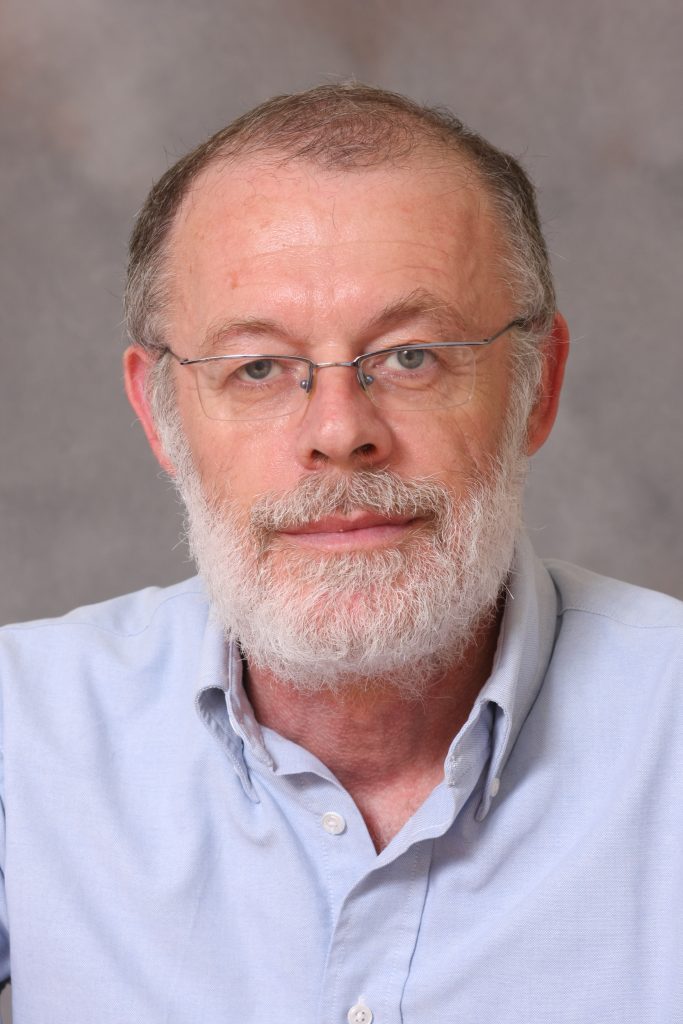
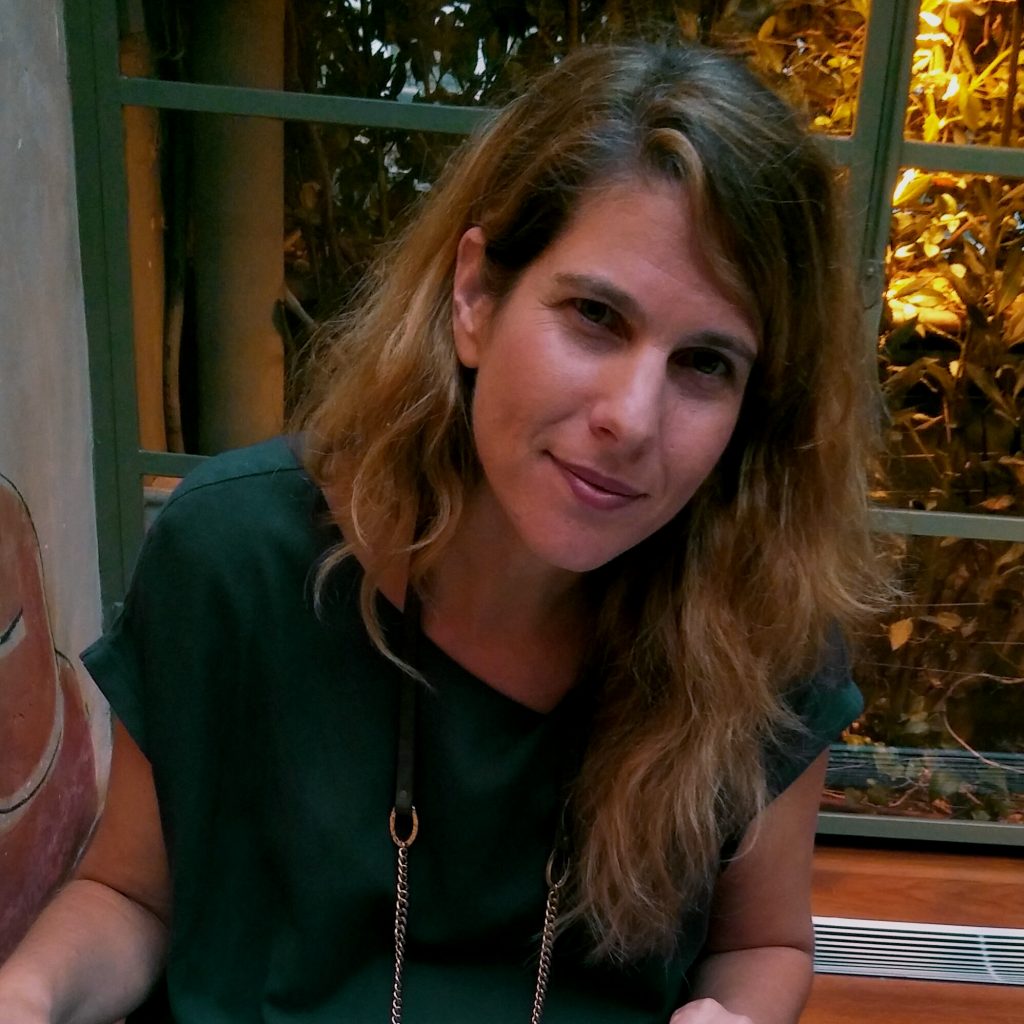
Prof. Tuvia Peri & Gali Elinger
The recently released International Classification of Diseases by The World Health Organization (ICD-11; WHO, 2018) included for the first time a formal diagnosis for Prolonged Grief Disorder (PGD, 6B42). This disorder affects 6-10% of people who lost a close relative. PGD is characterized by persistent and pervasive longing for the deceased or persistent preoccupation with the deceased accompanied by intense emotional pain together with inability to experience positive mood, emotional numbness and difficulty in engaging with social or other activities. The similarity in symptoms between PGD and PTSD lead researchers to study effective interventions for PTSD with PGD patients.
Narrative Reconstruction (NR) is a time limited integrative intervention comprised of exposure elements together with narrative work and psychodynamic elements. During NR the patient and the therapist work together to reconstruct a full and very detailed well organized narrative of the loss in a unique way. While reconstructing and organizing the loss memory along a timeline the memory is related to associated memories from the patient’s autobiography and new personal meaning of the loss is elaborated. NR was developed and studied for PTSD and is currently implemented successfully with PGD.
This workshop will include the following elements: a. we will present the theoretical background of NR and findings from outcome studies with PTSD and PGD. B. the therapy protocol will be presented in detail. C. we will present a clinical example of NR with a PGD patient demonstrating the clinical effects of the intervention.
Prof. Tuvia Peri is a clinical psychologist, head of the Community training clinic and the Danieli Trauma and loss clinic at the Department of Psychology, Bar Ilan University.
Gali Elinger, Rehab psychologist working at the Assuta Medical Center and a doctoral student at the Department of Psychology, Bar Ilan University.
Workshop #2
The effects of PTSS on couples: Expansion of theory and principles of intervention
Prof. Rachel Dekel & Dr. Yael Shoval
Background: Although it is widely recognized that trauma in general and posttraumatic stress symptoms (PTSS) specifically affect couple relations, the theoretical models, empirical knowledge, and suggested principles of intervention are less known. Objectives: The aims of the workshop are: a) To review the theoretical understanding of the effects of PTSS on couple relations. Specifically, the cognitive-behavioral interpersonal theory of PTSD (Monson, Fredman, & Dekel, 2010) and the ambiguous loss theory (Boss, 2009) will be discussed, b) To review the updated empirical knowledge that supports these theories, and c) To present the main ideas of the Conjoint Behavioral Cognitive Intervention (Monson &Fredman, 2012) and to exemplify it through cases the moderators have treated in the Family Trauma Clinic in Israel. Method: The workshop will involve a formal presentation, vignettes, and exercises with participants. Results: The workshop will provide practical knowledge for clinicians and researchers from diverse backgrounds to bridge the gap between empirical and clinical approaches to working with trauma survivors and their partners. Conclusions: The workshop is recommended for those who want to apply a family-oriented lens to their trauma research and intervention.
learning objectives:
- The audience will learn about the effects of PTSS on couple relations.
- The audience will understand the mechanisms through which PTSS affects the significant other.
- The audience will learn two CBCT techniques.
- Suggested background readings:
Dekel, R., Goldblatt, H., Keidar, M., Solomon, Z., & Polliack, M. (2005). Being a wife of a veteran with posttraumatic stress disorder. Family Relations, 54(1), 24-36.
Monson, C. M., Fredman, S. J., & Adair, K. C. (2008). Cognitive–behavioral conjoint therapy for posttraumatic stress disorder: Application to Operation Enduring and Iraqi Freedom veterans. Journal of Clinical Psychology, 64(8), 958-971.
Prof. Rachel Dekel, a full professor at the Louis and Gabi Weisfeld School of Social Work at Bar-Ilan University, is a former head of the School. She is the winner of the I-CORE: Israeli Centres of Research Excellence, in the area of mass trauma. Prof. Dekel is known worldwide for her research on caregiver burden and family coping in the context of trauma and domestic violence. She is the founder and the director of the Family Trauma Clinic, which provides training in Cognitive Behavioural Conjoint Intervention, and intervention for individuals and caregivers coping with PTSD in the family. She has published more than 120 papers and chapters. More details about her work can be found at: https://www.racheldekel.com/
Yael Shoval-Zuckerman, Ph.D. has worked many years at the Combat Reaction Unit in the IDF treating soldiers suffering from PTSD and in other trauma populations in different settings, including immediate interventions (group and personal). Dr. Shoval-Zuckerman is a supervisor for group interventions (immediate, focused CBT, long term dynamic and CBT groups), in addition has conducted research of group therapies. She has many years of clinical experience with psychodynamic therapies, Prolonged Exposure, TF-CBT, EMDR. In the last four years she has been the clinical director of the clinic for conjoint intervention for couples (CBCT) in which one of them suffers from PTSD. Yael had a postdoc position in Professor Candice Monson’s IMPACT lab at Ryerson University in Toronto. She went through CBCT training and studied delivering and developing the clinical research related to this intervention.
Workshop #3
Mindfulness in a Stressful Country
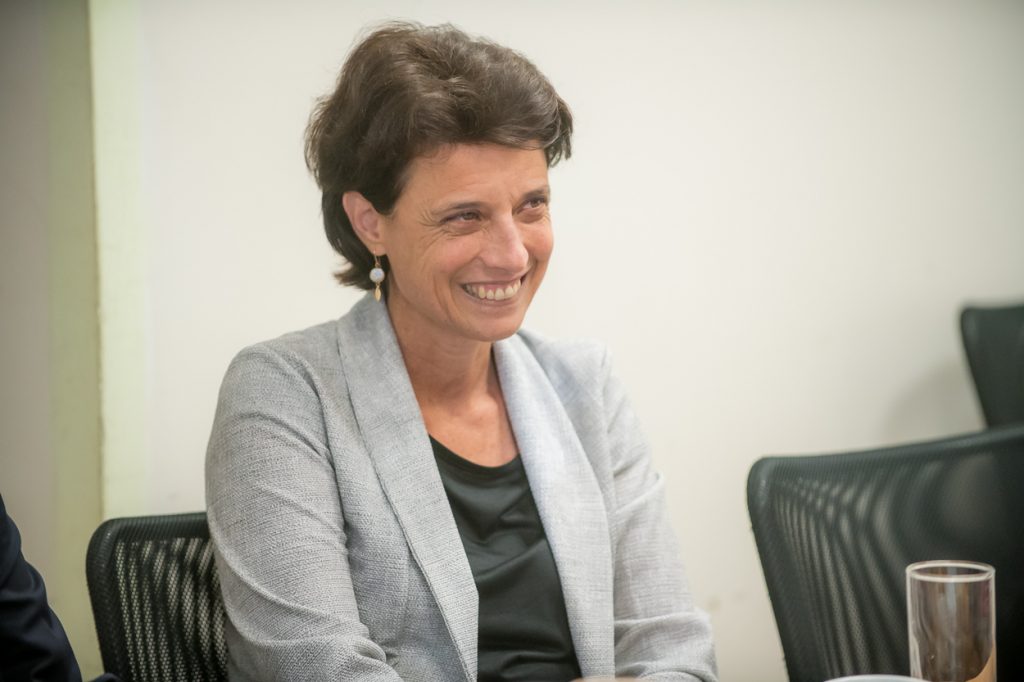
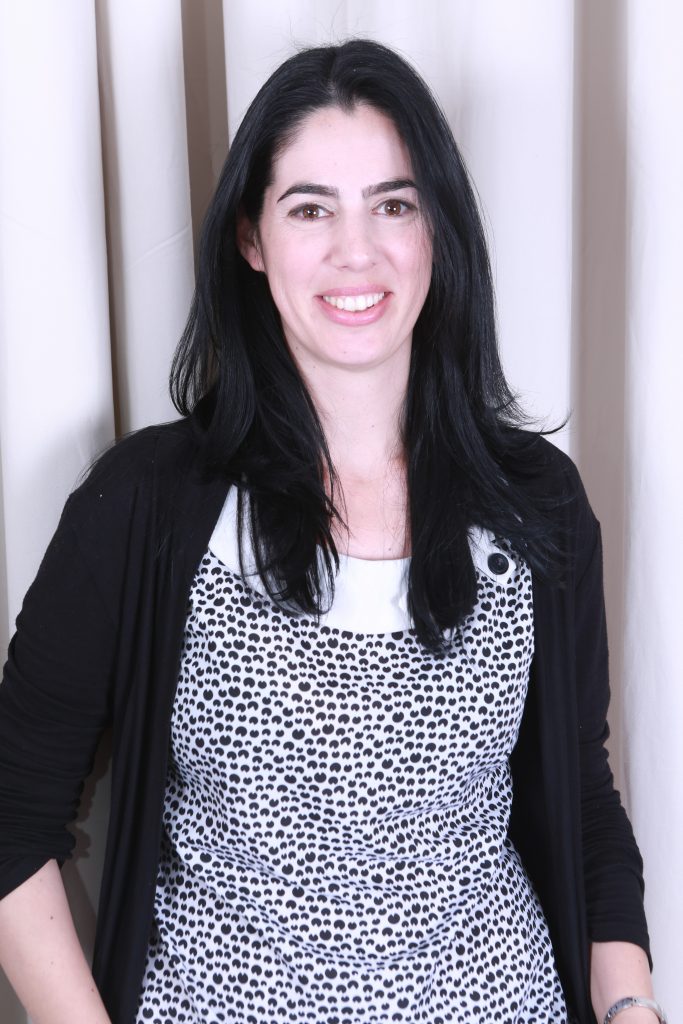
Dr. Oded Arbel & Dr. Dr. Tal LItvak-Hirsch
Mindfulness, as it is known in the Western world, has deep and ancient Buddhist roots, and since the pioneering work of Jon Kabbat Zinn in the US, has become a primary form of intervention for promoting stress reduction. Among modern cultures that are saturated with stress, and particularly in Israel, where the population is continuously exposed to political conflict, an unstable sense of security, and even terror, people may find themselves facing stress and coping with it on a daily basis. Mindfulness offers coping strategies and a way of perceiving the world in a more compassionate way, and supports greater psychological containment of both self and others. The main practice is meditation, in which the practitioner brings his or her entire attention to the present moment in an accepting and welcoming way.
In this workshop we will present some of the theoretical background on mindfulness and its ancient roots, as well as an ongoing research project that we are conducting this year on the effect of mindfulness on teachers and therapists who live and work in the west Negev, an area that has been particularly exposed to terror and unstable security for many years. However, most of the workshop will be dedicated to experiential learning, intended to let the participants discover mindfulness through different kinds of meditation practice and various techniques.
Bio: Dr. Oded Arbel id a psychiatrist and psychotherapist, founder and head of the Israeli Desert Mindfulness Clinic in Beer Sheva (MHC).
Dr. Tal Litvak Hirsch is a senior lecturer at the Management and Conflict Resolution Program at Ben Gurion University and a clinical psychologist. She practices and teaches mindfulness.
“Workshop #4
I had to tell this story”: An integrative model of life-review and Playback theatre to process traumatic events in the clinical practice
Shoshi Keisari & Pazit Ilan Bercovich
Playback Theatre is a form of improvisational theatre in which audience or group members tell stories from their lives and watch them enacted on stage (Fox, 1986). Playback Theater became a popular drama therapeutic tool through the last two decades. In parallel to its flourishing in the communal, social and artistic fields, many therapists use it in their practice with wide range of populations. This workshop explores how playback theatre group that integrates life-story-work along with involvement in a theatrical co-creative process, might play a role in processing traumatic life-events and unfinished business from the past.
The theatrical creative process enables the participants to safely interact with past experiences in a very tangible way – in the ‘here and now’ of the group process. This dramatic process provides values such as testimony, acknowledgment of the teller’s life-experiences, the creation of new meaning and new perspectives, and the construction of an integrative view of the self. Studies indicate (Keisari & Plagi, 2017; Keisari, Yaniv, Gesser-Edelsburg & Plagi, 2018) that transformation is made possible by combining dramatic elements from the past, present and future with dramatic elements which represent harsh life events, as well as coping resources and achievements. In addition, the empathic attunement toward the other, and the shared experience that occurs in the dramatic improvisation, strengthens participants’ sense of connectedness and creates a fusion of experiences. This also strengthen the participants’ coping resources, by creating a new, strong, shared experience that is now fused to the traumatic old memory.
The workshop is intended for health professionals, where traumatic events from the clinical work will be explored and processed through the integrative model of Life-review Playback Theatre. No previous experience with theatre participation is needed.
learning objectives:
- The participants will be experienced with psychotherapeutic playback theatre and its potential to process traumatic life-events in the realm of the dramatic reality.
- The participant will get to know the principles and techniques of the Life-review Playback Theatre model.
Suggested background readings:
Keisari, S., Yaniv, D., Palgi, Y., & Gesser-Edelsburg, A. (2018). Conducting playback theatre with older adults—A therapist’s perspective. The Arts in Psychotherapy, 60, 72-81.
Keisari, S., & Palgi, Y. (2017). Life-crossroads on stage: Integrating life review and drama therapy for older adults. Aging & mental health, 21(10), 1079-1089.
Kowalsky, R., Keisari, S., & Raz, N. (2019). Hall of mirrors on stage: An Introduction to Psychotherapeutic Playback Theatre. The Arts in Psychotherapy, 66, 101577.
Shoshi Keisari M.A., is a drama therapist and supervisor in public and private therapy centres. Doctoral student at the Department of Gerontology, University of Haifa. Her research focuses on the integration between life-story-work, drama therapy and playback theatre with older adults; She teaches and supervises students at the faculty of welfare and health in Haifa University, at the Drama therapy program in Tel-Hai College and at the Israeli Institute of Psychotherapeutic Playback Theater. She is the co-author of the book Hall of mirrors on stage: Psychotherapeutic playback theatre.
Pazit Ilan Bercovich, M.A., Drama therapist, supervisor, family and couple psychotherapist, supervisor. Pazit teaches in the M.A. drama Therapy program of Tel-Hai academic college, at the Israeli Institute of Psychotherapeutic Playback Theater, and supervises clinical seminars at the Winnicott Center (Israel), where she is also part of the head team of the psychotherapy program for art therapists. She is the founder of “Marot”, a professional Playback theatre group that actively practices and performs since 2002, and is among the founders of the Israeli Playback Theatre Association. She has imparted drama therapy and playback theatre workshops in many professional conferences. Pazit is the co head of the Drama Therapy division in the the Israeli Association for Creative Arts Therapies (YAHAT). She works with children adolescents, adults, couples and families, in private practice.
Workshop #5
Prolonged Exposure Therapy for Posttraumatic Stress Disorder (PTSD)
Break the myth around dealing with complicated patients
Presented by Nitsa Nacasch Axelrod MD
The CBT clinic, Department of Psychiatry, The Chaim Sheba medical center
Posttraumatic Stress Disorder (PTSD) is a disabling disorder characterized by intrusive re-experiencing of the traumatic event, avoidance symptoms, negative alterations in cognition and emotions, and hyperarousal symptoms. The disorder affects more than 6% of the US population and 10% to 20% of military personnel returning from deployments to Iraq and Afghanistan. It is associated with substantially impairment in quality of life. Over the last 30 years several effective CBT programs for PTSD have been developed, extensively studied and were found to be effective in reducing PTSD symptoms. One of the psychological treatments mostly studied is the Prolonged Exposure therapy (PE). This is a specific protocol, developed by Foa and colleagues from Penn University. PE has received empirical evidence with a wide range of trauma, has had the largest number of replications conducted in expert centers around the world including our center and is recommended as a first-line intervention for PTSD in all clinical treatment guidelines in the United States and other countries including for combat-related PTSD. Over the years we, with the collaboration of Prof Foa, conducted and published several studies on PE with combat and terror related PTSD and we continue to conduct trial on PE and to disseminate PE in Israel through workshops conducted by Prof Foa and Dr Nacasch.
In this one day workshop I will present the PE treatment protocol and I will address how to treat complicated cases like patients with co-morbidity of substance abuse, OCD, Psychosis and dissociation and PTSD related to child abuse, still birth and other trauma.
Nitsa Nacasch MD
Head of the CBT clinic
Department of Psychiatry, The Chaim Sheba medical center